
Electrical Grade Crepe Paper & Tube
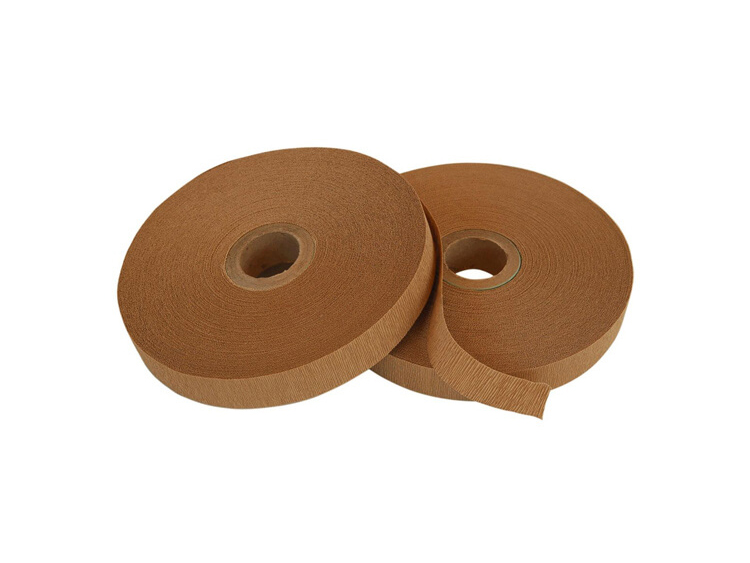
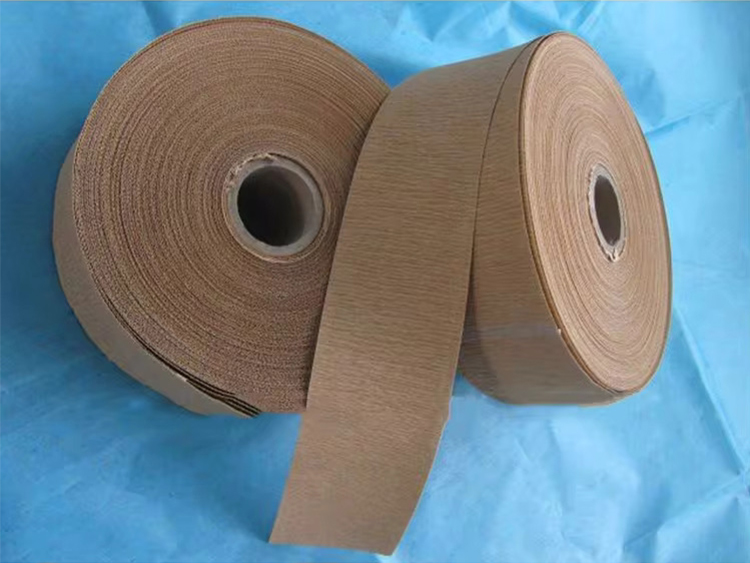
Electrical grade crepe paper — mechanically crinkled cellulose insulation — wraps transformer leads, conductors, bus bars, and irregular components without tearing. Stretchability: 10%–30%. Full oil impregnation raises dielectric strength up to 30 kV/mm. Standard for every oil-filled transformer insulation system.
ACC Insulations — Maharashtra, India — manufactures and distributes high-purity components of cellulose crepe paper and crepe paper tubes for OEM power and distribution transformer manufacturers across India.

Technical Specifications — Electrical Grade Crepe Paper
| Electrical Grade Crepe Paper — IEC 60554 / IS 1576 | |
|---|---|
| Base Material | High-purity electrical-grade cellulose (sulphate-process kraft) |
| Thickness Range | 0.075 mm – 0.50 mm (standard grades; custom on request) |
| Crepe Ratio (Stretchability) | 10% – 30% (grade dependent; ±2% process control) |
| Dielectric Strength — Dry | ≥ 10 kV/mm |
| Dielectric Strength — Oil Impregnated | Up to 30 kV/mm |
| Colour | Natural Brown |
| Moisture Content | < 8% (controlled at manufacture) |
| Ash Content | < 1.0% (high-purity electrical grade) |
| Temperature Class | Up to 105°C continuous (Class A insulation system) |
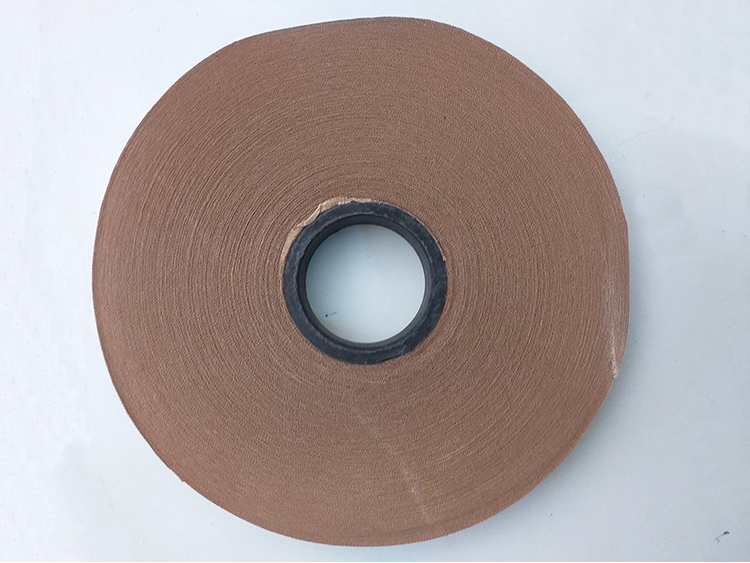
| Available Forms | Flat rolls, crepe paper tubes, custom slit widths |
| Standards Compliance | IEC 60554, IS 1576, IEC 60076-3, Customer-specific OEM specs |
Custom Ordering: Custom thickness, crepe ratio, roll width, and inner diameter available on request. Crepe paper tubes wound to specified inner diameter, wall thickness, and cut length. Contact with transformer design requirements.
What Electrical Grade Crepe Paper Does
Starts as high-purity, low-ash cellulose kraft base sheet — same raw material as electrical press paper. Passed through creping: a doctor blade compresses sheet against a Yankee cylinder, forming uniform controlled wrinkles across full width. Result — paper retaining high dielectric strength and excellent oil absorption of cellulose insulation, plus flexibility to conform around any conductor shape without splitting or gapping.
Unlike flat electrical grade kraft paper, crepe paper accommodates bends up to tight radii. No other cellulose insulation material wraps lead exits, tap changer bends, and bus bars as cleanly. Every oil-filled power transformer and distribution transformer uses both — kraft for flat winding layers, crepe for every curved surface.
Key Properties — Electrical Grade Crepe Paper
- High stretchability — 10–30% crepe ratio: Conforms around bends, curves, and irregular transformer lead shapes. Zero insulation gaps. No tears under wrapping stress
- Full oil impregnation: Cellulose absorbs transformer oil completely during vacuum oil fill. Dielectric strength rises from ~10 kV/mm dry to 30 kV/mm oil-saturated
- High dielectric strength: Sustained electrical isolation under continuous high-voltage stress. Suitable for 11 kV – 400 kV transformer classes
- Tensile and tear resistance: Withstands hand and machine wrapping stress at high crepe ratios without splitting
- Thermal stability to 105°C: Physical and electrical properties retained through transformer thermal cycling (Class A insulation)
- Uniform crepe structure: Consistent wrinkle depth and spacing across full roll width. Predictable stretch. Even insulation build-up on every conductor
- Low ash content <1.0%: High-purity cellulose. Minimal ionic contamination in transformer oil. Protects 25–30 year insulation system life
- Moisture-controlled at manufacture: Below 8% moisture content. Prevents dielectric degradation before oil impregnation
Crepe Paper vs Kraft Paper — Which to Use
Both cellulose-based. Both in every transformer. Different roles — determined entirely by surface geometry.
Electrical Grade Crepe Paper
- Mechanically crinkled — stretchy, flexible
- 10%–30% elongation before tearing
- Wraps curved leads, bends, irregular shapes
- Lead insulation, bus bar wrapping, tap connections
- Flat rolls and pre-formed insulation tubes
- Use where flat paper cracks or gaps
Electrical Grade Kraft Paper
- Flat, smooth — rigid, dimensionally stable
- Very low elongation (<2%)
- Uniform layer insulation between winding turns
- Inter-layer insulation, winding barriers
- Flat sheets and rolls
- Use on flat, uniform surfaces under compression
Not interchangeable: Using flat kraft paper on a lead bend causes creasing, tearing, and unacceptable insulation voids. Every oil-filled transformer uses both papers — kraft for winding layers, crepe for all lead exits and conductor bends.
Crepe Paper Tubes — Construction and Uses
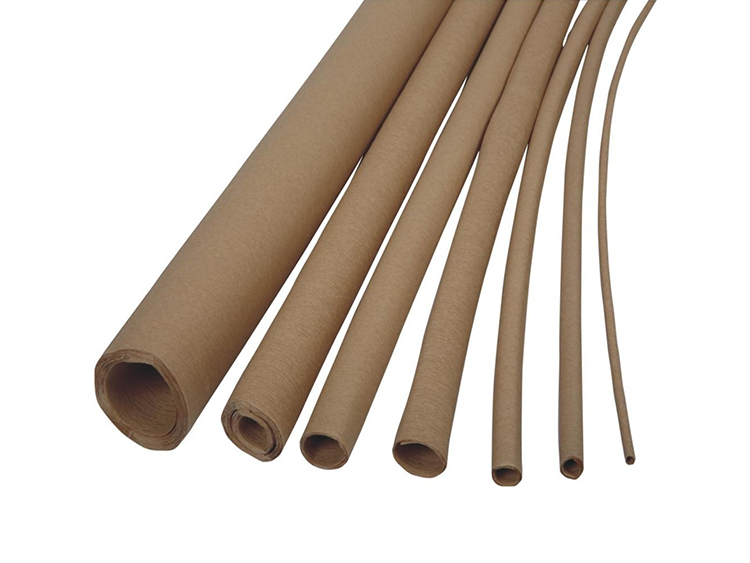
Crepe paper tube (crepe insulation sleeve, wound paper tube) — spirally wound from multiple layers of electrical grade crepe paper around a precision mandrel under controlled tension. Finished tube: seamless cylindrical sleeve. Slides directly over transformer leads, bus bars, and tap connections.
Uniform Wall Thickness
Consistent insulation around full conductor circumference
Faster Assembly
Slides on in seconds vs. hand-wrapping tape
Even Oil Penetration
Multi-layer wound structure — oil reaches full wall depth
Mechanical Protection
Guards lead conductors from abrasion during assembly
Custom Sizes
Specified ID, wall thickness, and cut length
Oil-Impregnated Crepe Paper — How It Works
Oil-paper insulation system — foundation of every oil-filled transformer design. Fresh cellulose paper absorbs atmospheric moisture, which collapses dielectric strength. Transformer manufacturing eliminates this in two stages:
Stage 1 — Vacuum Drying
Assembled transformer enters vacuum oven. Heat + low pressure drive moisture from cellulose fibres.
<0.5% moisture achievedStage 2 — Vacuum Oil Fill
Dry degassed transformer oil drawn into tank under vacuum. Fills every pore of dry cellulose paper.
Zero air voids remainingResult — Oil-Paper Dielectric
Oil-saturated cellulose paper. Every void filled. No partial discharge sites.
Up to 30 kV/mm achievedWhy low ash content matters: Ash = mineral residue from cellulose combustion. High ash means ionic impurities dissolving into transformer oil over time — increasing oil conductivity, degrading insulation. Ash content below 1.0% protects oil quality across 25–30 year transformer service life.
Applications — Electrical Grade Crepe Paper
Used wherever transformer insulation demands flexibility combined with high dielectric performance:
Transformer Lead Insulation
HV and LV lead wires exiting windings. Prevents flashover at lead-to-bushing connection.
Tap Changer Connections
Flexible insulation at voltage tapping points. Tight conductor bends inside transformer tank.
Bus Bar & Conductor Wrapping
Continuous void-free layer over copper or aluminium conductors of any cross-section.
Coil Assembly Insulation
Outer coil surface — corners and edges where flat paper cannot seat flush.
CTC Conductor Insulation
Continuously transposed cable wrapping. Prevents inter-strand short circuits.
Instrument Transformers
CT and VT lead insulation. Same oil-paper system at metering and protection voltages.
Manufacturing Process
Crepe paper quality determined by process control at every stage — not just raw material alone.
- Raw Material Selection High-purity sulphate-process cellulose pulp. Controlled ionic impurity levels. Directly protects long-term transformer oil quality.
- Base Sheet Formation Uniform cellulose base sheet. Controlled grammage (g/m²). Formation consistency across full web width.
- Creping Process Creped against Yankee drying cylinder via doctor blade. Doctor blade angle, cylinder speed, sheet tension — all precisely controlled. Target crepe ratio achieved within ±2%.
- Inline Thickness & Weight Control Gauging systems monitor thickness and basis weight continuously. Dimensional consistency across every metre of production run.
- Slitting & Rewinding Finished reels slit to customer-specified widths. Rewound to specified roll diameters and inner core diameters — direct use in transformer winding machines.
- Quality Testing — Batch Release Dielectric breakdown, tensile strength, elongation, moisture content, and ash content tested per batch. Test certificates supplied.
Standards & Compliance
- IEC 60554 — Cellulosic papers for electrical purposes. Primary international standard for electrical insulation papers
- IS 1576 — Indian Standard specification for electrical insulation papers
- IEC 60076-3 — Referenced for transformer insulation level and clearance requirements the paper must support
- OEM transformer manufacturer specifications accepted — manufactured to design requirements on request
Why Choose ACC Insulations Crepe Paper
Consistent Crepe Formation
Uniform wrinkle depth and spacing across every roll — not just sampled edges. Predictable stretch every time.
High-Purity Cellulose
Low ash content protects transformer oil quality across 25–30 year equipment service life.
Custom Roll Widths & IDs
Hand wrapping and automated winding machine compatible. Custom inner diameter available.
Pre-Formed Crepe Tubes
Specified inner diameter, wall thickness, cut length — ready to slide directly over leads.
IEC 60554 & IS 1576 Certified
Batch test certificates supplied. Compliance documentation for transformer OEM quality records.
Reliable OEM Supply
Consistent lead times for transformer production schedules. Components manufacturer and distributor — not just a trader.
Industries Served
- Power transformer manufacturing — 11 kV to 400 kV class
- Distribution transformer manufacturing — up to 33 kV
- Instrument transformer manufacturing — CT and VT
- Reactor and choke manufacturing — flexible lead exit insulation
- Electrical equipment OEMs — flexible cellulose insulation applications
Engineering Tools Suite
Calculate stretchability limits, oil absorption requirements, insulation build-up thickness, and dielectric strength margins for crepe paper transformer insulation applications.
Frequently Asked Questions
Electrical grade crepe paper insulates transformer leads, bus-bar conductors, and coil assemblies. Crinkled surface stretches around irregular shapes — lead wire bends — without tearing. Standard material for transformer lead wrapping, tap changer connections, and conductor insulation in oil-filled power and distribution transformers.
Crepe ratio (crepe factor or elongation) measures paper stretch before tearing — typically 10% to 30% for electrical grades. Higher crepe ratio wraps tighter bends and complex shapes. Critical in transformer manufacturing where lead wires bend at sharp angles and must stay fully insulated without gaps or tears in the insulation layer.
Yes. Electrical grade crepe paper manufactured specifically for oil impregnation. Transformer oil fills cellulose pores during vacuum drying and oil filling, raising dielectric strength from approximately 10 kV/mm dry to up to 30 kV/mm fully oil-saturated. Oil-paper insulation system — foundation of every oil-filled transformer design.
Kraft paper (electrical grade press paper) — flat, rigid — provides layer insulation between winding turns on smooth, uniform surfaces. Crepe paper — mechanically crinkled, elastic — wraps lead wire insulation, bus bars, tap changer connections, and curved conductors. Both used together in every oil-filled transformer. Not interchangeable for each other's specific roles.
Crepe paper tube — cylindrical insulation sleeve, spirally wound from multiple layers of electrical grade crepe paper around a mandrel. Slides over transformer leads, bus bars, and tap connections. Delivers uniform insulation thickness, faster assembly, even oil impregnation, and mechanical protection. Widely used in power, distribution, and instrument transformers.
Yes. ACC Insulations has in-house slitting and rewinding. Supply electrical grade crepe paper in standard and custom roll widths, custom inner diameter rolls, and pre-formed crepe paper tubes of specified inner diameter, wall thickness, and length. Custom specifications available on request for OEM transformer manufacturers.
Crepe paper complies with IEC 60554 (cellulosic papers for electrical purposes) and IS 1576 (Indian Standard for electrical insulation papers). Manufactured to individual OEM transformer design specifications on request.
Request a Quote
Quick Spec Reference
| Dielectric (oil) | 30 kV/mm |
| Crepe Ratio | 10–30% |
| Thickness | 0.075–0.50 mm |
| Ash Content | <1.0% |
| Moisture | <8% |
| Standards | IEC 60554 / IS 1576 |