
Electrical Insulating Wood for Power Transformers
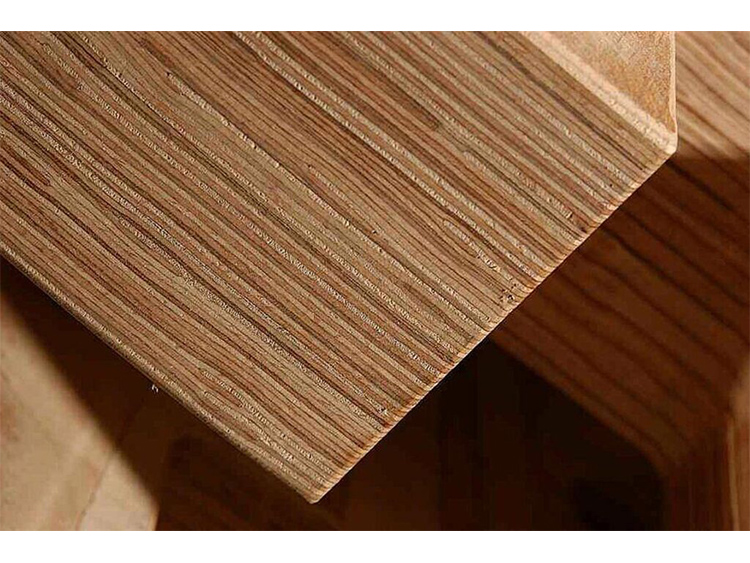
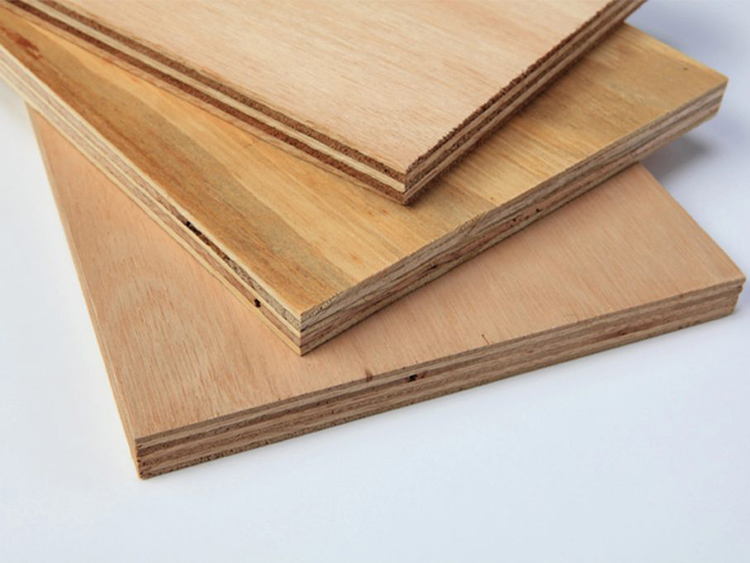
Electrical laminated wood — also called densified wood insulation or electrical timber — combines solid dielectric strength with high mechanical compressive load capacity. Vacuum-dried and resin-impregnated under heat and pressure, each board delivers consistent, repeatable performance inside oil-immersed power transformers, dry-type transformers, and high-voltage switchgear.
Raw material: premium, defect-free birch or beech veneers. Process: controlled vacuum seasoning → resin impregnation → hot-press consolidation → precision CNC machining. Output: dimensionally stable insulating wood with dielectric constants matched to transformer oil for optimal insulation coordination.

| Dimension Type | Available Sizes |
|---|---|
| Thickness (mm) | 6 mm to 150 mm |
| Rectangular Boards (L × W mm) | 1220 × 2440 | 1525 × 3050 | 1860 × 3660 |
| Square Boards (L × W mm) | 1220 × 1220 | 1525 × 1525 | 1830 × 1830 |
| Long Beam (L × W mm) | 600 × 3750 |
| Custom Machining | Available — per drawing. Drilling, grooving, stepped profiles, milling. |
Electrical laminated wood — classified under IEC 61061 — starts as premium birch or beech veneers selected for tight grain and zero defects. Veneers undergo vacuum seasoning to strip native moisture below 6%, then impregnated with phenolic or epoxy-grade insulating resins under 120°C–180°C heat and 5–15 MPa pressure. Layers bond into a dense, uniform laminate with:
- Dielectric constant closely matched to transformer oil — enables effective insulation coordination in oil-filled systems without derating.
- Compressive strength exceeding mild steel components by weight — ideal for transformer clamping structures and winding supports.
- Near-zero moisture re-absorption — resin seals fibers against oil degradation and acidic byproducts at 105°C continuous service.
- Non-magnetic, non-conductive structure — no induced eddy currents, no grounding requirements.
| Property | Common Timber | Electrical Laminated Wood |
|---|---|---|
| Moisture Content | 15–25% | <6% post-vacuum drying |
| Dielectric Strength | Low / inconsistent | ≥4 kV/mm (⊥ grain) |
| Dimensional Stability | Warps / swells | High — resin locked |
| Oil Compatibility | Contaminates oil | Full compatibility at 105°C |
| CNC Machinability | Poor (grain splits) | Excellent — drills, mills, taps |
| Thermal Class | — | Class B / F (105°C–130°C) |
- Moderate Specific Gravity (0.9–1.3 g/cm³): Lighter than steel supports. Reduces transformer dead weight and total material cost.
- High Compressive Strength: Withstands electromagnetic forces and vibration from short-circuit events without deformation.
- Excellent Machinability: CNC tapped, drilled, milled. No styrene evaporation during machining — safe production environment.
- Thermal Stability to 130°C: Maintains insulation integrity under sustained operating temperatures (Class B/F).
- Low Dielectric Loss (tan δ): Reduces energy loss. Suited for high-frequency and high-voltage applications.
- Porous Oil Absorption: Absorbs transformer oil, forming oil-wood composite insulation that improves thermal conductivity in windings by 15–20%.
Yoke Pads & Winding Spacers
Structural support between transformer core yokes. Maintains winding geometry under electromagnetic stress.
Insulation Blocks & Coil Platens
Coil pressing plates and step-lap core supports in oil-immersed distribution and power transformers.
Phase Barriers & Standoffs
Voltage isolation between HV/LV windings. Prevents short circuits in high-load operating conditions.
Switchgear Structural Assemblies
Non-magnetic framing for switchgear cubicles. Replaces steel — eliminates eddy current heating.
Core Baseplates & Trapezoid Plates
Bottom core support structures. Machined to custom profiles. Oil-compatible for long-term service.
Cleat Systems & Clamping Rings
Winding clamping rings, lead mounts, thick/thin beam systems for cleat assemblies in power transformers.
Replaces: Steel plates, epoxy paperboard, insulating paper sheets, and woven glass fabric laminates in transformer coil and clamping assemblies — reducing overall transformer weight and material cost without sacrificing dielectric performance.
Every component batch manufactured and distributed from MIDC Ambad, Nashik meets:
- IEC 61061: Laminated densified wood for electrical applications — defines mechanical and dielectric requirements per grade.
- IEC 60763: Pressboard and wood used in electrical equipment — covers oil compatibility and dimensional stability.
- IS Standards: Indian power sector requirements for transformer insulation materials.
- OEM Mandates: Meets stringent internal specifications from leading transformer and switchgear manufacturers across India.
- Defect-Free Consistency: Every board inspected for knots, voids, and delamination. Zero compromises on raw material selection.
- Custom CNC Capability: Standard boards and fully machined components — holes, grooves, steps — per exact engineering drawings.
- Decades of Proven Performance: Trusted by OEM transformer and switchgear manufacturers across India for continuous duty applications.
- Nationwide Supply Chain: Reliable dispatch from Nashik. Dedicated engineering support for material selection and component design.
- Cost Advantage vs. Alternatives: Electrical laminated wood costs less than epoxy composites, weighs less than steel, and outperforms raw timber on every measurable parameter.
Engineering Tools Suite
Calculate dimensional stability, specific gravity, moisture parameters, and dielectric strength requirements for electrical laminated wood applications using interactive tools.
Frequently Asked Questions
Electrical laminated wood serves dual roles — mechanical support and solid insulation — inside oil-immersed and dry-type transformers. Primary components: transformer yoke pads, winding spacers, coil platens, core baseplates, trapezoid backing plates, lead mounts, phase barriers, and clamps. Full compatibility with transformer oil at 105°C continuous service.
Common timber holds 15–25% moisture, warps under load, and fails at high voltages. Electrical laminated wood uses premium birch or beech veneers vacuum-dried below 6% moisture, then resin-impregnated at 120°C–180°C and 5–15 MPa. Result: consistent dielectric strength (≥4 kV/mm), dimensional stability, and full transformer-oil compatibility over decades of service.
Relevant standards: IEC 61061 (laminated densified wood for electrical applications), IEC 60763 (pressboard and wood in electrical equipment), and applicable IS standards for the Indian power sector. ACC Insulations additionally satisfies OEM-specific mandates from leading transformer manufacturers.
Yes. Standard rectangular boards, square boards, and long beams ship ex-stock. CNC facility in Nashik handles custom shapes, drilled holes, stepped profiles, grooves, and complex geometries to exact engineering drawings — with short lead times.
Electrical laminated wood carries a dielectric constant closely matched to transformer mineral oil, enabling effective insulation coordination in oil-immersed systems. Dielectric strength exceeds 4 kV/mm perpendicular to grain. Low tan δ (dielectric loss) reduces energy losses in high-voltage winding assemblies.