Electrical Insulation Products — Maharashtra, India
Glass Fiber Tubes
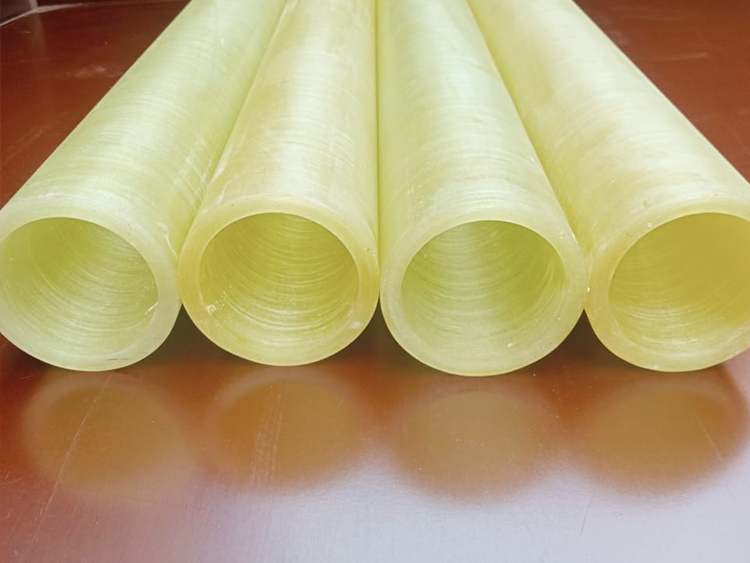
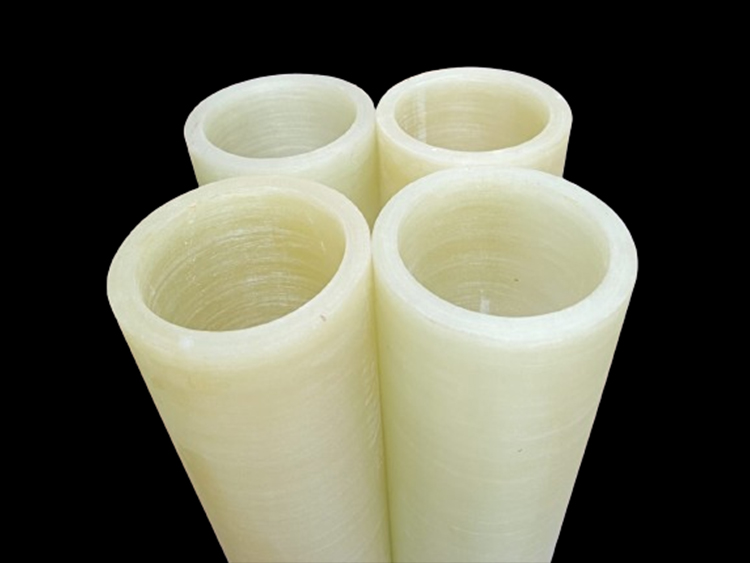
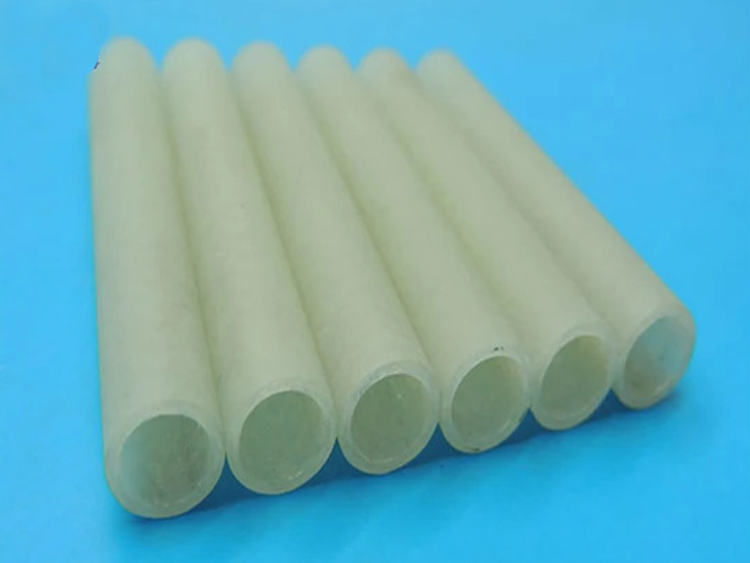
Glass fiber tubes — also called fiberglass tubes, GRP insulation tubes, or glass-reinforced plastic (GRP) tubes — are high-performance electrical insulation components engineered for demanding environments. At ACC Insulations, we manufacture these tubes with epoxy or polyester resin systems, delivering outstanding dielectric strength, mechanical rigidity, and thermal stability for transformers, industrial motors, and switchgear assemblies.

Product Specifications
| Technical Description | |
|---|---|
| Material | Glass Fiber Reinforced Plastic (GFRP) |
| Resin System | Epoxy Resin / Polyester Resin |
| Shape | Circular Tube (Round Section) |
| Wall Thickness | 2 mm and above (customizable) |
| Inner Diameter | As per customer specification |
| Outer Diameter | As per customer specification |
| Length | Custom length available |
| Finish | Smooth / Color-coated surface |
| Thermal Class | Class B (130°C) / Class F (155°C) |
| Usage / Application | Transformers, Motors, Electrical Bushings, Industrial Equipment |
| Standards | IEC 60464, IS Specifications |
What Are Glass Fiber Tubes?
Glass fiber tubes are composite structures made by impregnating high-tensile glass fibre rovings or woven fabric with a thermosetting resin — typically epoxy or polyester — and curing the assembly under controlled heat and pressure. The result is a lightweight yet structurally rigid tube with excellent electrical insulation properties.
Unlike traditional paper-based or pure plastic tubes, glass-reinforced insulation tubes retain their shape and electrical performance even under sustained mechanical load, elevated temperatures, and humid environments. This makes them the preferred choice in high-reliability applications such as power transformers, dry-type transformer insulation, and high-voltage electrical bushings.
Key Electrical & Mechanical Properties
10–20 kV/mm
Up to 155°C
Epoxy vs. Polyester Resin — Which Should You Choose?
The choice of resin significantly impacts performance. Here is a quick comparison to help you select the right grade for your application:
| Property | Epoxy Resin (Glass Fiber Tube) | Polyester Resin (Glass Fiber Tube) |
|---|---|---|
| Dielectric Strength | Very High | High |
| Thermal Class | Class F (155°C) | Class B (130°C) |
| Mechanical Strength | Superior | Good |
| Moisture Resistance | Excellent | Good |
| Cost | Higher | More Economical |
| Best For | Power transformers, HV bushings | General industrial insulation |
Applications of Glass Fiber Tubes
Glass fiber insulation tubes are critical components across multiple electrical and industrial sectors. Their combination of electrical insulation, structural strength, and thermal endurance makes them irreplaceable in the following areas:
Manufacturing Process
ACC Insulations uses precision-controlled manufacturing techniques to produce glass fiber tubes that meet strict electrical and mechanical performance standards. Our process ensures uniform resin impregnation and consistent dimensional accuracy across every batch.
Glass Fibre Selection
High-grade E-glass or ECR-glass rovings are selected based on the required dielectric and tensile performance class.
Resin Preparation
Epoxy or polyester resin is mixed with hardener and additives in precise ratios to achieve target viscosity and curing characteristics.
Filament Winding / Tube Rolling
Glass fibre is wound or rolled onto a mandrel under controlled tension, ensuring uniform fibre distribution and consistent wall thickness.
Curing & Hardening
The impregnated tube assembly is cured in a controlled oven at specified temperatures, allowing complete resin polymerization for maximum mechanical and electrical strength.
Machining & Dimensional Finishing
After curing, tubes are machined to precise inner and outer diameters, cut to required lengths, and surface-finished per customer specification.
Quality Testing & Dispatch
Every batch undergoes dimensional inspection, dielectric strength testing, and mechanical verification before dispatch.
Glass Fiber Tubes vs. Traditional Insulation Materials
Compared to conventional paper-based, pressboard, or phenolic insulation tubes, glass-reinforced composite tubes deliver measurable performance advantages:
- Higher mechanical strength: Glass fiber composites exhibit tensile strengths 3–5× greater than equivalent paper/pressboard sections, reducing the risk of mechanical failure under short-circuit forces.
- Superior moisture resistance: The closed-matrix composite structure resists moisture ingress far better than hygroscopic cellulose-based materials, maintaining stable dielectric properties even in humid environments.
- Improved thermal endurance: Epoxy glass fiber tubes are rated for higher thermal classes (Class F, 155°C) vs. most standard transformer board alternatives, extending equipment life in demanding thermal cycles.
- Dimensional stability: Glass fiber tubes do not swell or shrink significantly with temperature and humidity changes, ensuring consistent fit over the product's service life.
- Chemical resistance: GFRP tubes resist transformer oils, solvents, and mild acidic/alkaline environments where paper-based materials would degrade.
Quality Control & Testing
Each production batch of glass fiber tubes at ACC Insulations undergoes a rigorous multi-stage quality assurance process to ensure compliance with IEC and IS standards before dispatch:
- Dielectric strength testing — verifies insulation withstand voltage per IEC 60464 requirements
- Dimensional inspection — ID, OD, wall thickness, and length verified with calibrated instruments
- Mechanical strength testing — tensile, compressive, and flexural properties tested against specification
- Visual & surface quality check — inspection for voids, delamination, dry spots, or surface defects
- Thermal class validation — resin system checked to confirm thermal classification (B/F)
Standards & Compliance
- IEC 60464 — Varnished fabrics for electrical purposes
- IS 1576 — Relevant Indian Standard for insulation materials
- IEC 60085 — Thermal classification of electrical insulation
- Industrial electrical safety requirements for transformer OEMs and motor manufacturers
Industries Served
- Power transformer manufacturing — distribution transformers, dry-type transformers
- Electrical motor OEMs — industrial motors, servo motors, submersible pump motors
- Switchgear & panel manufacturers — LV/MV control panels and assemblies
- Solar & renewable energy — string inverters, solar combiner boxes
- High-voltage equipment manufacturers — circuit breakers, contactors, and isolators
- Chemical & process industries — where corrosion-resistant electrical conduits are needed
Engineering Tools Suite
Calculate exact inner/outer diameters, hoop strength, dielectric clearances, and thermal class requirements for your custom glass fiber tubes using our interactive engineering tools.
Frequently Asked Questions
Glass fiber tubes are used as electrical insulation components in transformers, industrial motors, and high-voltage bushings where both high dielectric strength and mechanical rigidity are essential. They are also used in switchgear assemblies, solar inverter insulation, structural load-bearing insulation, and corrosion-resistant conduit applications in process industries.
Glass fiber tubes manufactured with epoxy resin typically offer dielectric strength in the range of 10–20 kV/mm, depending on wall thickness, resin type, and curing conditions. ACC Insulations performs batch-level dielectric testing on all products to ensure compliance with IEC and IS standards before dispatch.
We manufacture glass fiber tubes using either Epoxy resin or Polyester resin systems. Epoxy resin offers superior thermal stability (up to 155°C, Class F), higher mechanical strength, and excellent moisture resistance — making it ideal for power transformers and HV bushings. Polyester resin is a cost-effective alternative for standard industrial insulation applications, typically rated at Class B (130°C).
Yes. ACC Insulations provides fully customizable inner diameters (ID), outer diameters (OD), wall thickness, and cut lengths to match your exact engineering drawings and specifications. We supply transformer manufacturers, motor OEMs, switchgear companies, and electrical equipment industries across Maharashtra and India.
Our glass fiber tubes comply with IEC 60464, IEC 60085 (thermal classification), relevant IS specifications, and industrial electrical safety requirements. Each batch undergoes dimensional inspection, dielectric strength testing, and mechanical strength evaluation before dispatch. Documentation can be provided on request.
Glass fiber tubes made with epoxy resin can continuously operate up to 130°C (Class B) or 155°C (Class F) depending on the specific resin grade selected. For higher thermal class requirements (Class H, 180°C), please contact our technical team — we can advise on appropriate material upgrades.
Request a Quote
Get pricing & technical specs within 24 hours